
Briefing Book
Offshore Drilling Briefing Book
July 25, 2021
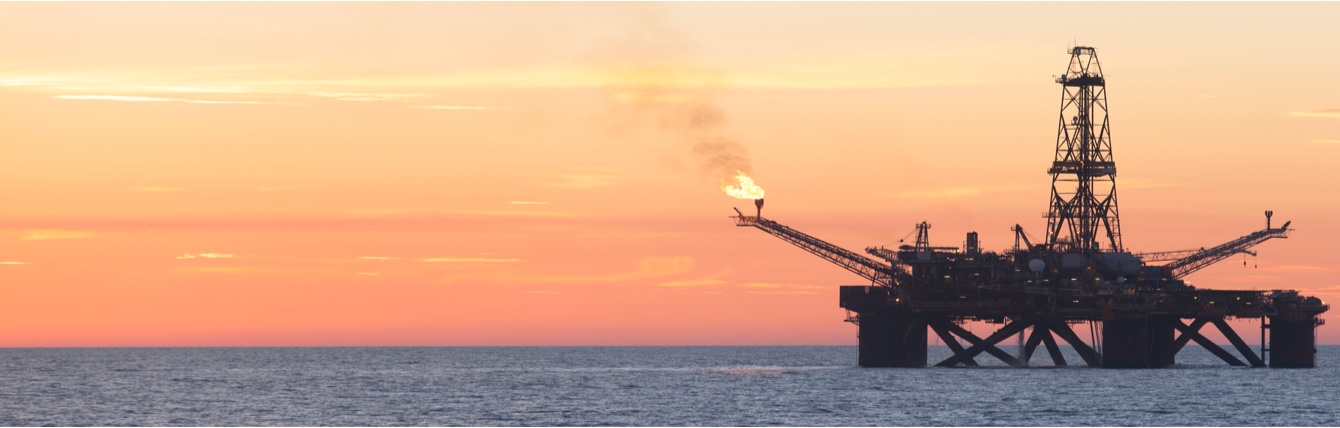
Offshore drilling is the process used to access pockets of oil and gas on the ocean floor for production. The process utilizes a variety of technologies and infrastructure, including seismic testing for exploration, drilling wells and rigs for oil and gas recovery, and pipelines for transport. Risks associated with offshore drilling include well blow-outs, oil tanker spills, and marine ecosystem disruption. When improperly maintained, the oil platforms can slowly deteriorate, leading to several hazards: rust and metal leaching, methane leaks, and increased safety risks for workers.
In November 2025, the U.S. Department of the Interior released a draft plan to expand offshore drilling opportunities across the country through scheduled lease sales in the Gulf of Mexico, the Alaskan Arctic, and the Pacific. These proposals are in addition to 36 lease sales mandated by the passage of H.R.1 (2025). Despite federal setbacks, states continue to take action to prevent future drilling and exploration in state waters through resolutions, restrictions, and liability laws. States are also exploring ways to support plugging orphaned and abandoned wells in state waters, dismantling platforms, and removing pipelines if the infrastructure presents an environmental hazard.
Over 300 municipalities and over 2,000 elected local, state, and federal officials have formally opposed offshore drilling and exploration.
The Deepwater Horizon spill, also known as the BP Disaster, is the largest offshore oil spill in American history. The spill killed 11 people and released 210 million gallons of oil into the Gulf of Mexico, leading to the loss of one million seabirds and 17% of the critically endangered Rice’s Whale population.
The Atlantic, Pacific and Gulf coast of Florida support over 2.6 million American jobs and roughly $180 billion in GDP, all of which could be threatened by offshore drilling.