Issue Brief
Soil Health Issue Brief
July 28, 2021
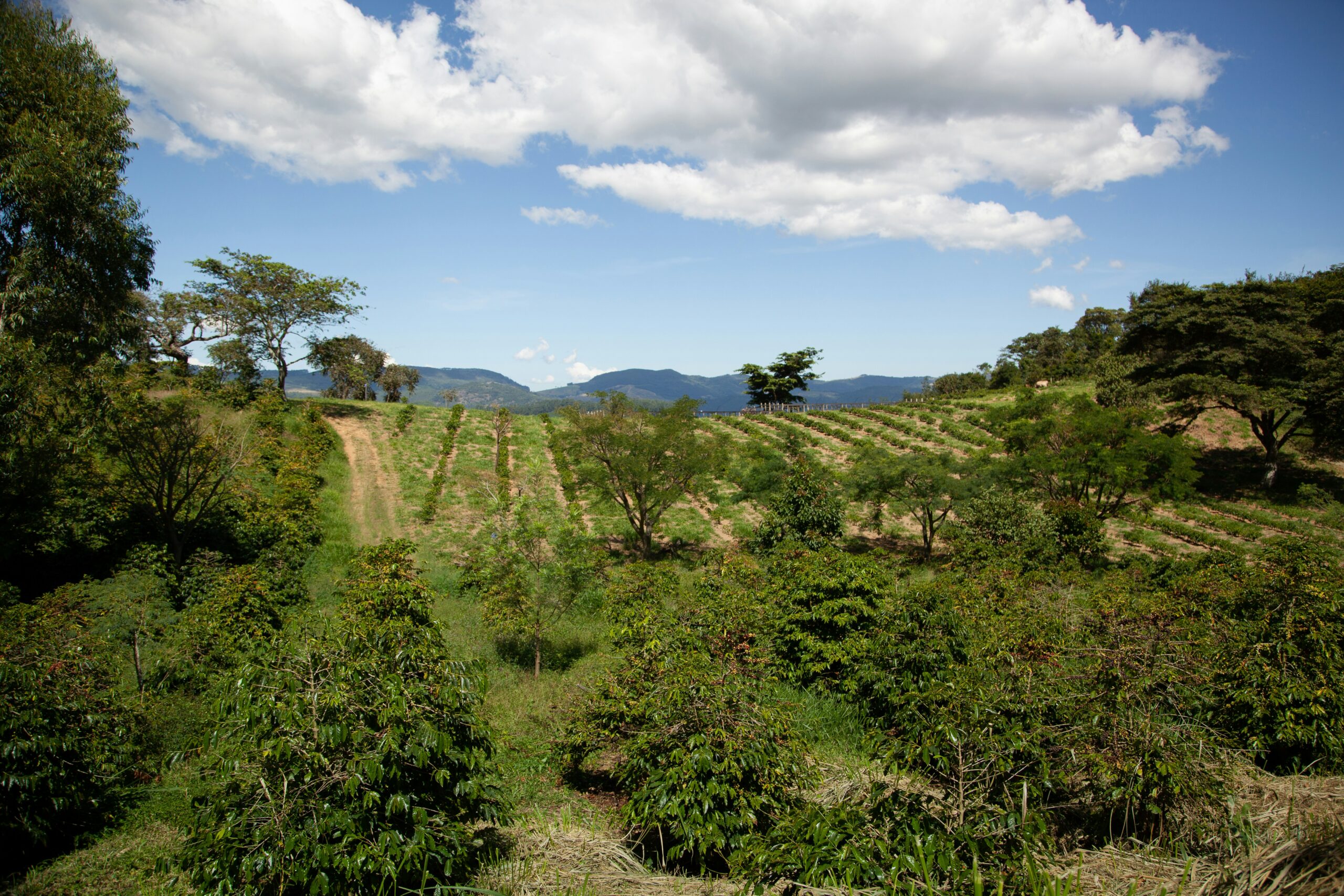
Agroforestry integrates trees and shrubs into farming systems to deliver environmental, economic, and social benefits. Well‑designed agroforestry systems often yield more than annual crops grown on their own, while improving water quality, soil health, carbon sequestration, and wildlife habitat. For farmers, agroforestry boosts climate resilience, profits, and crop diversification, while improving both seasonal cash flow and long‑term value from timber. States that proactively support agroforestry can improve environmental outcomes while supporting rural economies and farm resilience.
Agroforestry systems show 5-10 times higher carbon sequestration rates than those of practices such as conservation agriculture and managed grazing alone. (Perennial Agriculture Institute)
Globally, agroforestry systems are practiced on an estimated 43% of cropland, but only 1.7% of U.S. farms practiced agroforestry in 2022. (Scientific Reports)
Agroforestry provides many cultural benefits, especially in Hawaii and Indigenous communities in the U.S., including intergenerational knowledge transmission, space for ceremony and recreation, and the aesthetic and spiritual value of restored lands. (ResearchGate)
Challenges preventing the adoption of agroforestry include high establishment costs, long payback periods, difficulty finding markets for products, and few working agroforestry farms to visit in most regions of the U.S. (Savana Institute)

Your donation funds the fight for equitable actions that protect the environment and our health.
Donate