Policy Options
Nature-Based Solutions Policy Options
Overview
As the impacts of climate change intensify, people and nature are at risk of rapidly changing environmental conditions. Nature-based solutions use natural features and processes to protect, restore, and manage ecosystems. Nature-based solutions can address a range of challenges communities face — from wildfires and heat waves to sea-level rise and flooding. Research also shows that nature-based solutions could provide about 37% of the climate mitigation needed between now and 2050. The primary tenet of nature-based solutions is that working with nature, rather than against it, can help implement solutions that (1) combat climate change, (2) build more resilient communities, and (3) protect critical ecosystems. The examples below provide a sampling of the state-level policy options available for implementing nature-based solutions.
Please note: all legislation marked with two asterisks “**” indicates bipartisan sponsorship.
Green Infrastructure
Green infrastructure refers to water management approaches that protect, restore, or mimic the natural water cycle. Green infrastructure solutions can encompass micro-level actions (e.g., installation of green roofs or permeable pavements), as well as larger-scale actions (e.g., restoration of floodplains or wetlands).
- **Florida SB 976 (Enacted 2021): Encourages new approaches and financing mechanisms for the protection of the state’s wildlife corridor, including public-private partnerships, payments for ecosystem services, and blended financing for resilience and green infrastructure.
- Maryland HB 653 (Enacted 2022): Specifies that the maintenance and repair of source watersheds — including the installation of green infrastructure that improves water quality — is eligible for the same forms of financial assistance as other water collection and treatment infrastructure.
Natural Carbon Sequestration
Natural carbon sequestration refers to the ability of natural lands (e.g., forests and wetlands) and working lands (e.g., farms) to absorb excess carbon from the atmosphere. Identifying, quantifying, and protecting certain lands to sequester carbon can be an effective first step in implementing nature-based solutions.
- Maryland SB 470 (Enacted 2023): Sets a statewide conservation goal to permanently protect 30% of lands by 2030 and 40% by 2040.
- Connecticut H.B. 5004 (Enacted 2025): Codifies the use of nature-based solutions on both natural and working lands as a part of the state’s comprehensive climate action strategy.
Marine Nature-Based Solutions
Marine ecosystems offer unique opportunities to sequester excess carbon and protect coastal communities from the impacts of sea-level rise. Solutions that incorporate blue carbon and nearshore ecosystems — such as oyster reefs or coastal wetlands — offer valuable protections for both people and nature.
- **Louisiana HB 255 (Enacted 2023): Establishes a tax credit for Louisiana restaurants that recycle their oyster shells for beneficial uses like coastal restoration projects.
- New Jersey SR 101 (Introduced 2026): Would declare the state’s wetlands — in addition to open spaces, forests, and farms — as essential infrastructure, while linking them to economic, public health, and safety benefits. Would also set the goal to protect 500,000 acres of these spaces by 2050.
Forests
Forests deliver essential benefits, including carbon sequestration, air filtration, wildlife habitat, and spaces for recreation. State and local governments manage 10% of the nation’s forests and play a key role in addressing threats, including large-scale land conversion, logging, and climate change. States can pursue bold policies to ensure forests remain intact and their benefits are accessible to all communities.
- **Colorado HB22-1012 (Enacted 2022): Focused on promoting healthy forests, including provisions for developing a statewide carbon accounting framework and a forest carbon co-benefit framework.
- Massachusetts S.553/H.1013 (Introduced 2025): Would create an urban forest advisory council to support municipalities in developing reforestation plans that include (1) an inventory and analysis of current tree canopy cover, (2) plans for community engagement in tree planting and maintenance, and (3) goals for afforestation.
Sustainable Agriculture
Sustainable agricultural practices can improve soil health, which sequesters carbon, improves water quality, supports flood and drought resilience, and recharges groundwater.
- Minnesota HF 701 (Enacted 2021): Provides direct payments to farmers who implement soil-healthy practices, prioritizing awards based on scientific understanding of carbon sequestration potential.
- Maryland HB 0506 (Enacted 2025): Establishes the Environmentally Engaged Farming (LEEF) Program to support practices that (1) reduce nutrient pollution and sedimentation in the Chesapeake Bay and (2) improve climate resiliency, including mitigating farm emissions through increased carbon sequestration in healthy soils.
Rewilding and wildlife coexistence
Restoring wildlife habitat and reintroducing species can improve ecosystem resilience and function, particularly when combined with coexistence strategies to reduce conflicts between wildlife and people.
- **Illinois HB 2726 (Enacted 2025): Makes Illinois the first state to explicitly authorize “rewilding” as a conservation strategy. The bill also empowers the Department of Natural Resources to reintroduce native species, enhance biodiversity, and restore ecological processes.
- Oregon HB 3464 (Enacted 2023): Removes the classification of beavers as a “predatory animal,” enabling the authorization of a permitting and reporting process for beaver trapping while encouraging nonlethal beaver coexistence strategies.
Flood Resilience
States can support flood-prone communities by promoting nature-based solutions. This includes the conservation of riparian buffers, wetlands, dune systems, and other natural floodplains that mitigate flooding by slowing the flow of water and reducing erosion.
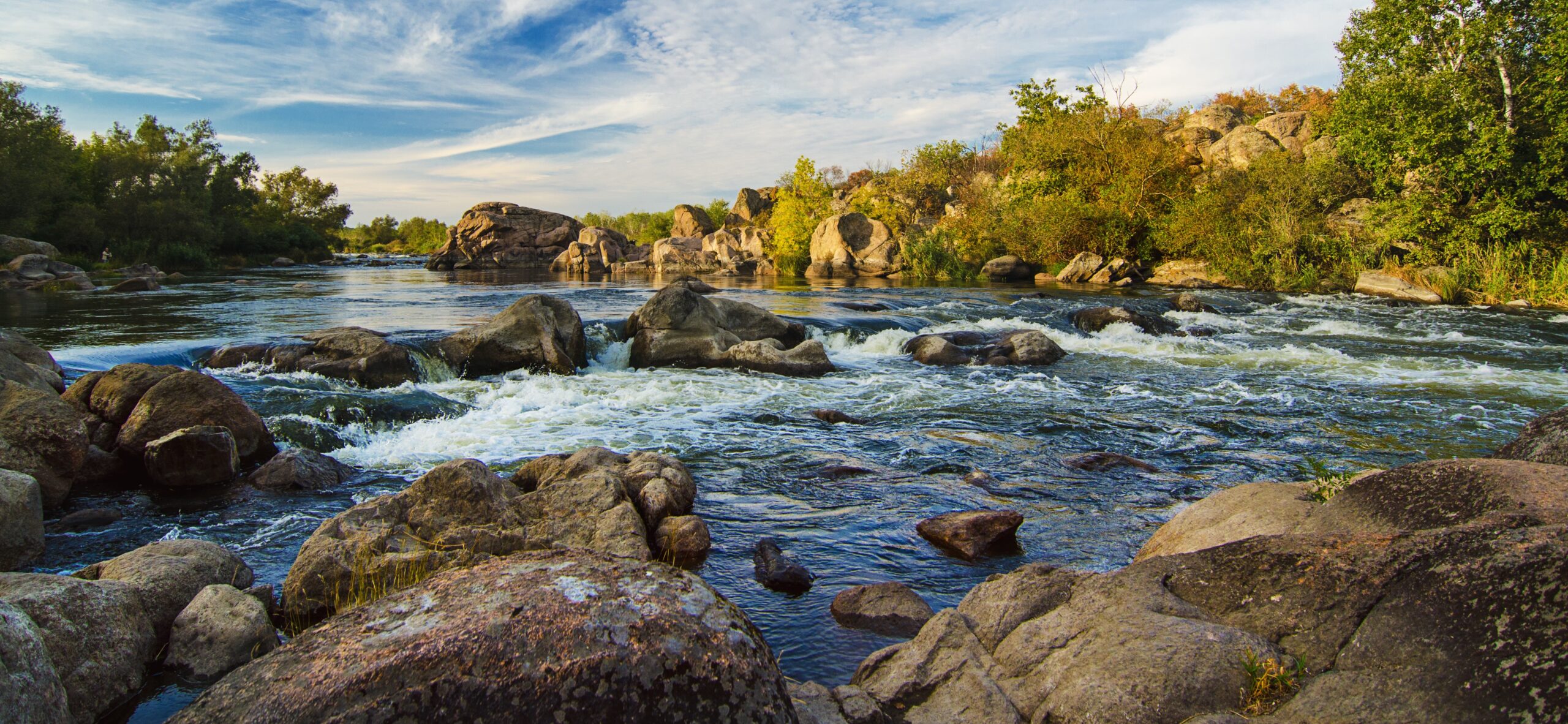
- **Vermont S.213 (Enacted 2024): Directs the Department of Environmental Conservation to update the River Corridor Base Map to identify areas for development that will not contribute to fluvial erosion hazards, and establishes requirements to protect and restore wetland buffers under the Vermont Wetland Rules.
- **Wisconsin S.B.222 (Enacted 2023): Establishes the pre-disaster flood resilience grant program to identify flood vulnerabilities and opportunities to improve flood resilience through nature-based solutions.
Empowering State Environmental Champions
Your donation funds the fight for equitable actions that protect the environment and our health.
Donate