
Blog
The Rise of Plug-In Solar: How States Can Reduce Costs and Streamline Clean Energy Adoption
March 13, 2026
Overview
Electricity is quickly becoming one of the largest household expenses in the U.S. In response, residential solar power is emerging as a promising solution to reduce energy bills and expand clean energy access. Since 2021, residential electricity prices have risen nearly 40%, and in 2025 alone, prices increased more than 5%. Utilities requested nearly $31 billion in rate increases in 2025 — more than double the prior year — and nearly three in four Americans are worried their bills will keep rising.
Concerns about rising energy bills cut across partisan lines, and solar power is one way American households can take control of energy costs. But traditional rooftop solar is not an option for everyone. About 70% of Americans can’t access it — because they rent, live in apartment buildings, have shaded roofs, or cannot afford steep upfront costs. A new category of small, portable solar devices, often called plug-in solar or balcony solar, is changing that.
What is Plug-in Solar?
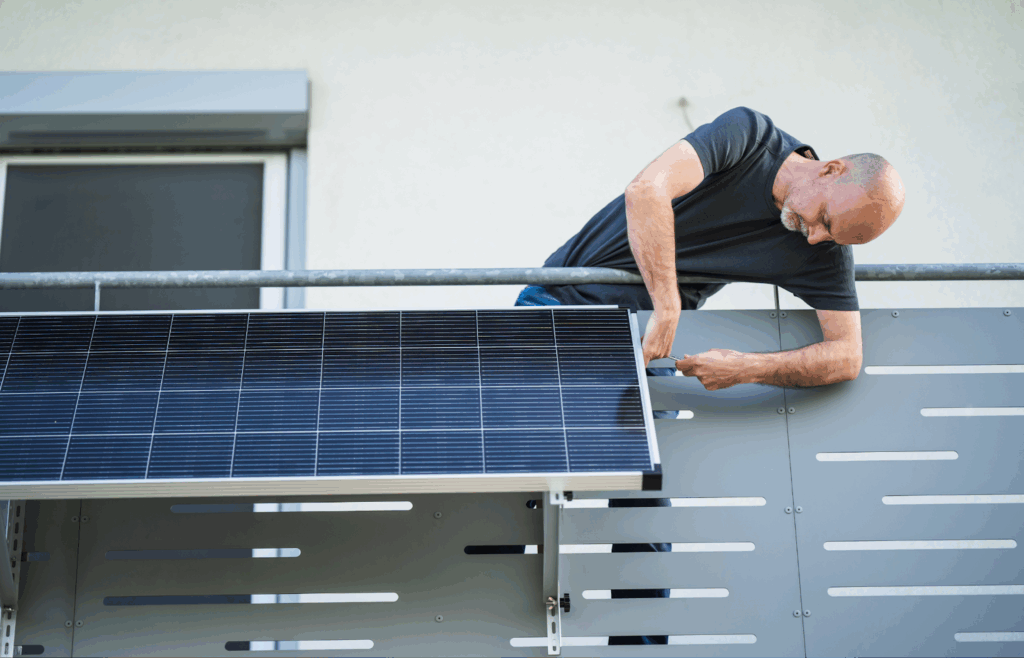
Plug-in Solar systems are small panels that connect to a standard wall outlet. They require no professional installation, no permits, and no utility agreements. The systems reduce how much electricity a home draws from the grid, thereby lowering a household’s bill. Balcony solar systems are already popular internationally, with over one million registered in Germany alone, where they generate approximately 700 megawatts of power.
Utah Leads the Way on Plug-In Solar
In March 2025, Utah became the first state to pass legislation specifically for plug-in solar. H.B. 340, introduced by State Representative Raymond Ward and signed by Governor Spencer Cox, created a new legal category for small, portable solar devices up to 1,200 watts. The bill passed unanimously in the legislature.
Key provisions of Utah’s new plug-in solar law include:
- Exempting small systems from interconnection agreements with utilities
- Allowing residents to self-install certified devices
- Permitting limited backfeeding of excess energy to the grid
Utah’s law does not create new subsidies or tax credits and will reduce barriers to residential solar adoption without affecting the state’s budget. The bill focuses on limiting interconnection requirements and professional installation costs, which research shows can cut prices for plug-in solar systems by roughly 50%.
National Context in 2026
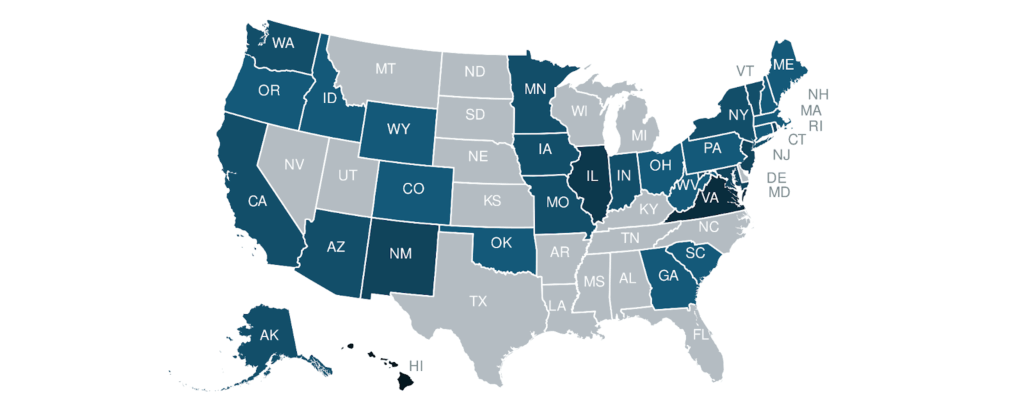
Following Utah’s nation-leading legislation in 2025, more than half of U.S. states have introduced similar plug-in solar legislation this session, ranging from California (S.B. 868) and Washington (S.B. 6050) to Missouri (H.B. 2444) and South Carolina (H.B. 4579).
Bills have been advancing in Colorado (HB26-1007), Hawaii (SB2902), New Hampshire (SB540), Vermont (S.202), Virginia (SB 250), and Washington (HB 2296). Virginia’s bill has now passed the legislature and is headed to the Governor’s desk.
Plug-In Solar Policy Options for State Legislators
To expand clean energy access and lower household costs, states have several policy pathways to modernize solar regulations and make small-scale, plug-in devices a viable energy solution for renters and homeowners alike. To this end, states can (1) define and exempt small solar systems, (2) prohibit utility fees on certified devices, and (3) allow self-installation.
1. Define and Exempt Small Solar Systems
First, states can create a new legal category for small solar systems under 1,200 watts and exempt them from utility interconnection requirements. Currently, plug-in solar devices fall under the same rules as large rooftop systems, adding avoidable costs and complexity for everyday households. Defining a separate category gives these devices a clear regulatory home and removes the biggest barrier to adoption.
- Policy Example: Utah’s H.B. 340 created this classification in 2025, passing unanimously with no fiscal impact.
2. Prohibit Utility Fees on Certified Devices
Second, states can prohibit utilities from charging additional fees on plug-in solar devices that meet national safety certification standards. Extra fees can quickly erase the savings these systems offer, particularly for lower-income households.
- Policy Example: Oregon’s H.B.4080 would maintain that utilities cannot charge customers extra fees for notifying them that they have a plug-in solar system, and they cannot raise a customer’s minimum monthly bill above what other customers in the same billing category pay.
3. Allow Self-Installation
Third, states can allow residents to install certified plug-in solar devices without a professional installer or permit. With self-installed plug-in solar systems being 80-97% cheaper than average U.S. rooftop systems, this makes clean energy accessible to renters, apartment dwellers, and households that cannot afford traditional rooftop solar.
- Policy Example: Virginia’s SB 250, which has passed both the House and Senate, would allow residents to install and operate certified plug-in solar systems without utility approval, interconnection requirements, or additional fees, and prohibit localities and certain landlords from banning these self-installed systems.
Looking Ahead
As more states pass plug-in solar bills, the momentum could create cascading benefits, including: (1) stimulating the creation of uniform safety standards, which will in turn enable broader adoption, and (2) simultaneously boosting market demand, leading to further reductions in device costs. This advancement requires no government expenditure and arrives precisely when households require relief from escalating utility expenses.
To learn more about plug-in solar and other Distributed Energy Resources (DERs), visit NCEL’s Issue Page on Distributed Solar and Batteries.