Events
2025 Plastics Summit Recap: State Leaders Explore Policy, Health, and Reuse Innovations
November 12-14, 2025
Overview
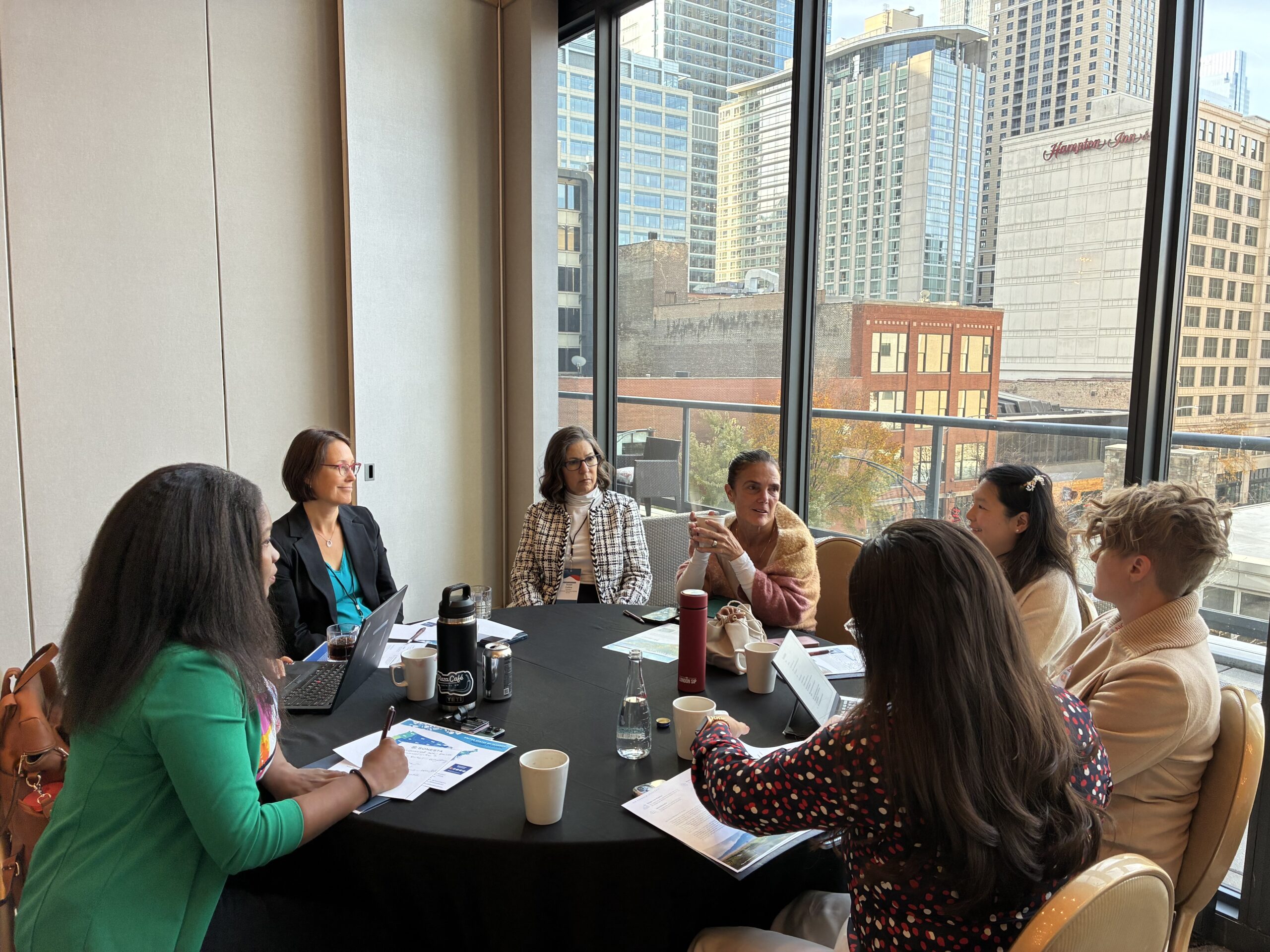
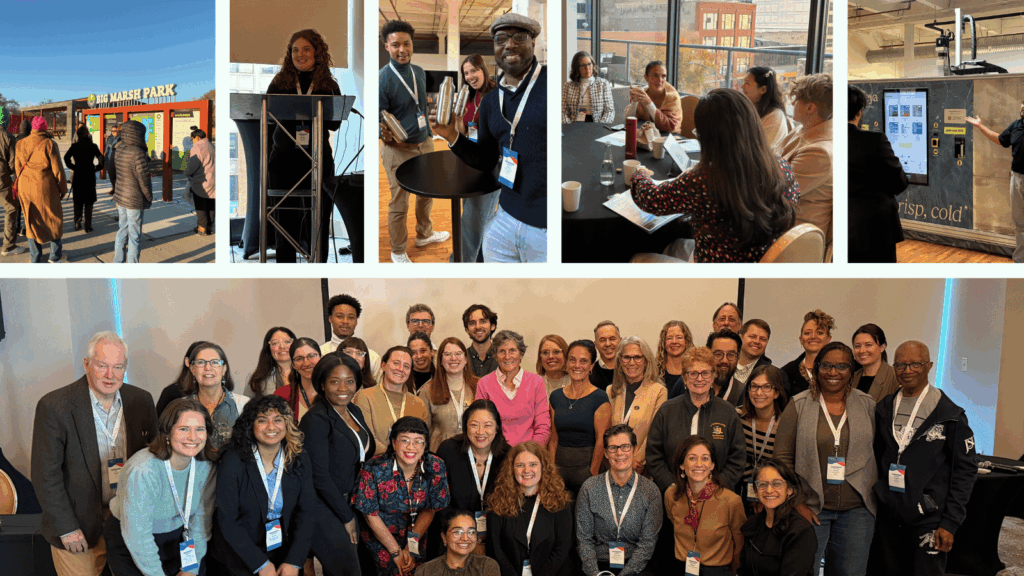
From November 12–14, 24 legislators and staffers from 16 states gathered in Chicago, Illinois, for NCEL’s Plastics Learning Summit. Through a variety of panels and interactive tours, participants took a deep dive into the range of policy solutions to address the entire life cycle of plastics. Lawmakers left with new insights into environmental justice, health impacts, state policy tools, and private sector innovation with reuse.
- Why Plastic Solutions Matter: The U.S. recycles just 5% of its plastics, with the majority of waste ending up in landfills, incinerators, or the environment. Plastics are also derived from fossil fuels, with their production and disposal creating hazardous air and water conditions for frontline communities. Addressing the plastic pollution crisis subsequently requires comprehensive strategies that account for the full life cycle of plastics.
Day One: Environmental Justice Tour and Opening Reception
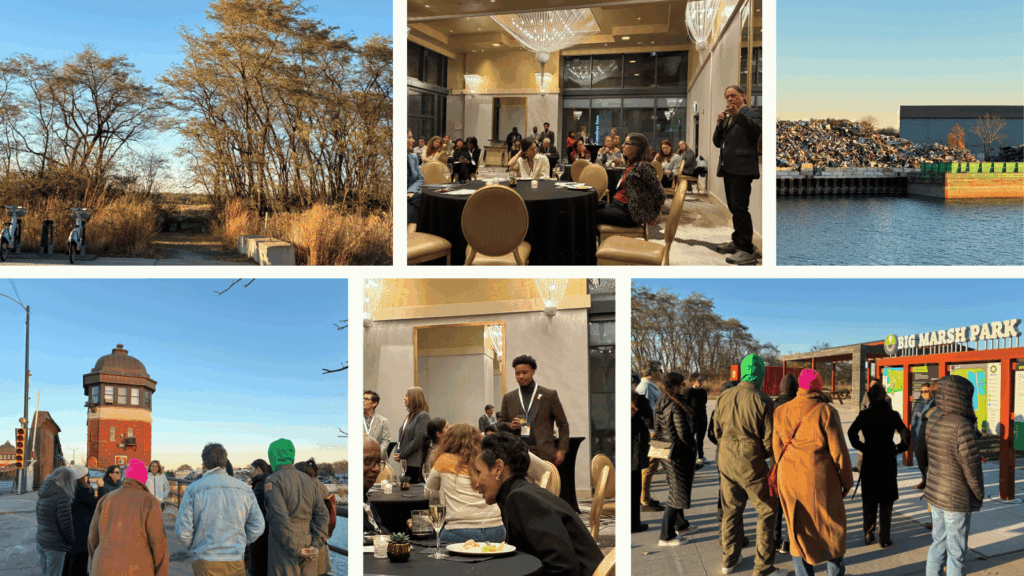
Day one of the Plastics Summit began with an environmental justice (EJ) tour led by the Alliance of the Southeast (ASE), highlighting Chicago’s Southeast side and sites such as Big Marsh Park — a former landfill and Superfund site which now serves to recover wetlands. ASE also shared their successes in addressing contaminated sites through citizen science, air monitoring, community benefits agreements, and their work on the Hazel Johnson Cumulative Impacts Ordinance.
That evening, the Summit officially kicked off with a reception featuring the Alliance for the Great Lakes, which emphasized the region’s key role in addressing microplastics. Experts shared perspectives on the Global Plastics Treaty and U.S.–Canada collaboration on microplastics, noting that while international efforts are crucial, much of the momentum and leadership to address the plastics crisis will continue to come from the states.
Day Two: State Plastics Policy, Plastics and Health, and a Closed Loop Beverage System Tour
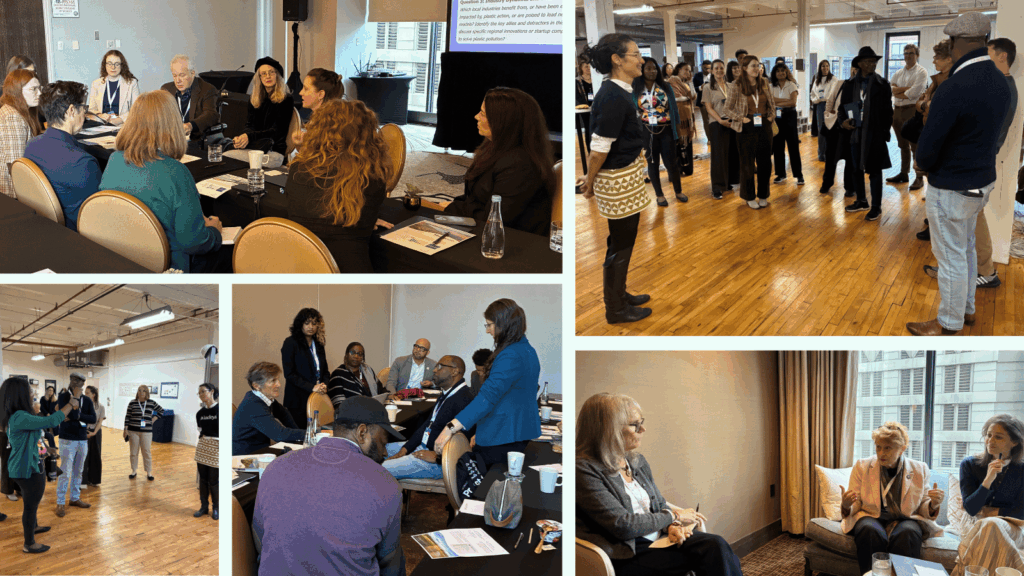
Day two opened with Ocean Conservancy’s United States of Plastic report, giving legislators a snapshot of state and regional progress against plastic pollution, followed by regional breakout discussions afterwards. In the following session, participants explored plastics policy tools, including deposit return systems (DRS, aka “Bottle Bills”) and extended producer responsibility (EPR), with legislator presenters from Minnesota and Oregon sharing lessons learned. In the afternoon, a panel on plastics and health centered environmental justice perspectives, “chemical recycling” policy best practices, and nontoxic reuse approaches.
For the day’s final activity, attendees toured Kadeya, creator of the world’s first closed-loop beverage system. Inspired by bike share systems, Kadeya designed a system for stainless steel bottles to be autonomously cleaned, sanitized, and refilled for reuse at a kiosk. Notably, there is no deposit or penalty for not returning the bottles; instead, Kadeya employs incentives and rewards.
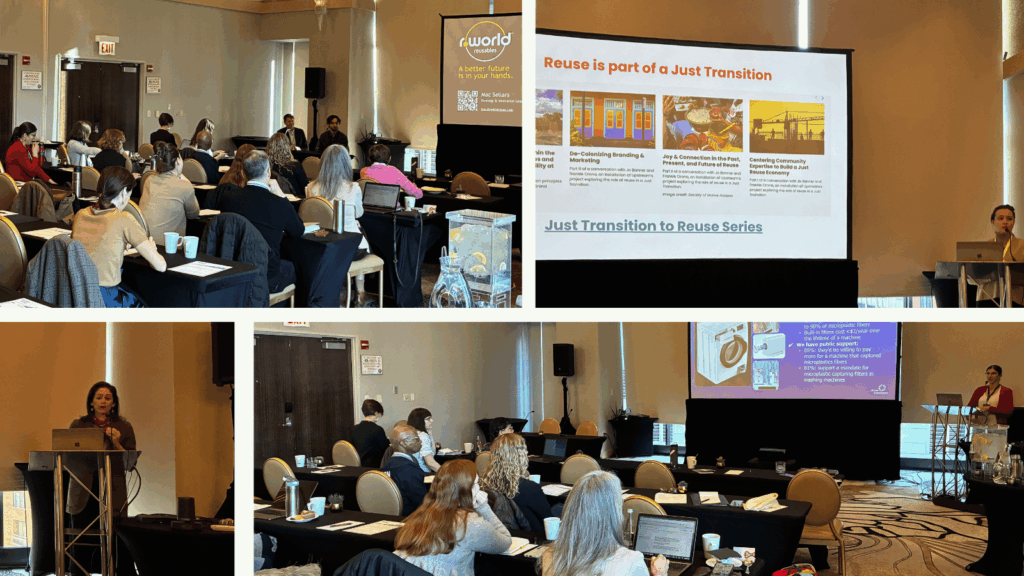
Day Three: Reuse and Private Sector Collaboration
The final day of the Summit spotlighted collaboration and reuse, beginning with private sector perspectives from two reuse companies, Revino and r.World. Next, legislators learned about microplastics, single-use plastics, microfibers, and the range of policy approaches to address the rapidly increasing amount of plastic polluting our environment.
Attendees continued their learning with a panel on broadening the narrative and scope of reuse, hearing about a variety of reuse policy opportunities, including reuse in DRS and EPR, as well as a reusable foodware system in Hilo, Hawaiʻi, set to launch in spring 2026. Presenters highlighted how reuse is part of a Just Transition and can serve as common ground between stakeholders focused on waste management and those working on source reduction.
The Summit ended on a note of optimism backed up by motivation and strategy. Lawmakers noted that plastics should be seen as a public health issue rather than just as a waste issue, while reaffirming the importance of engaging stakeholder groups — such as the medical and advocacy communities — to help advance sound policy.
Looking Ahead
As a result of the Plastics Learning Summit, attendees are bringing home resources, connections to colleagues and experts, and a robust menu of policy options to address plastic pollution. Momentum for a wide array of approaches to plastics policy continues to grow across the country — all the way from Alaska to Georgia. Looking ahead to the 2026 legislative session, NCEL will continue to lift up state leadership on zero waste, and expand opportunities for education and collaboration.
Learn more about policy developments and upcoming opportunities with NCEL on our News & Events webpage. And visit our website to learn more about the policy issues we work on.