Policy Options
State Wildlife Agency Funding Policy Options
October 27, 2022
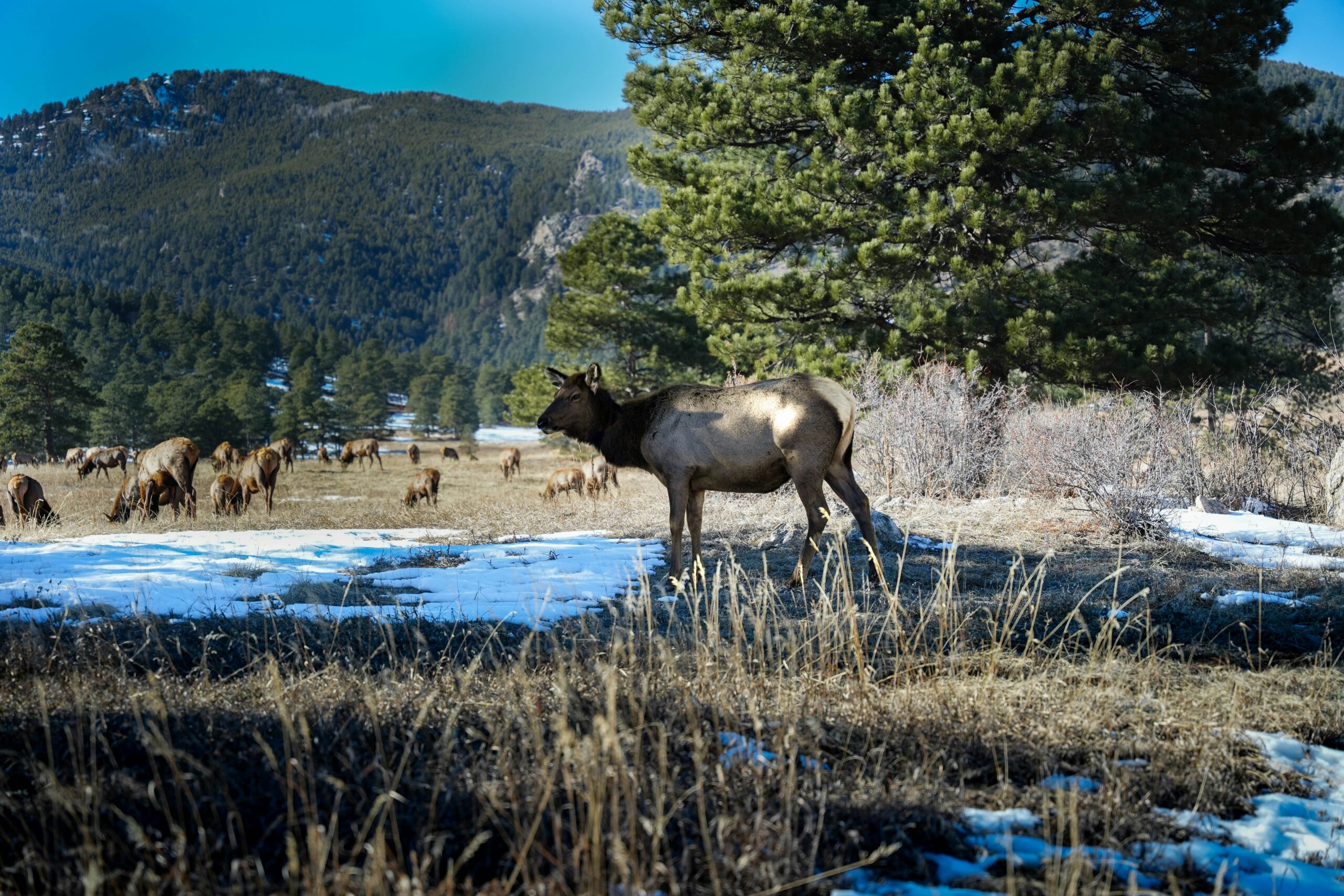
The U.S. public trust doctrine (PTD) refers to the duties of a state government (trustee) as well as the privileges and responsibilities to the U.S. public (beneficiaries) in relation to the natural environment. It arises in state and federal statutes, but primarily in common law. Wildlife have unique attributes in the PTD, as they are both part of the trust (resources states are obligated to protect) and beneficiaries of the trust (benefiting from the trust’s proper management). “Trustees” include government at all levels, such as state executive and legislative bodies, wildlife commissions, wildlife managers, and law enforcement officials. While the PTD is developed and enforced by the judiciary, state legislators can consider policy options to codify and strengthen express PTD protections for wildlife, lands, and waterways.
All states have constitutional “police powers” to enforce wildlife protection and preservation laws, including seeking out and enforcing against illegal uses and recouping financial loss in the public interest. (Hughes 1979 US Supreme Court Decision)
All states are signatories to the Interstate Wildlife Violator Compact, which declares that “Wildlife resources are managed in trust by the respective states for the benefit of all residents and visitors.” (Wildlife Violator Compact)
Several states have established some wildlife trustee duties by statute (DE, MD, RI, and TX) or in the state constitution (HI). Case law has also expanded the application of the PTD to wildlife in some states. (SSRN)
Your donation funds the fight for equitable actions that protect the environment and our health.
Donate